
Parivar Healthcare Hospital is a leading healthcare provider dedicated to delivering advanced medical care, trusted treatments, and compassionate patient experiences. We offer 24/7 emergency medical services for all ages, ensuring immediate and reliable care whenever needed.
With a team of experienced doctors and specialized medical staff, we provide state-of-the-art facilities, innovative healthcare solutions, and personalized treatment plans across multiple specialties. Our commitment to quality care, cutting-edge technology, and trustworthy service makes us a preferred choice for patients seeking modern and reliable healthcare.
At Parivar Healthcare Hospital, your health and well-being are our top priority.
Our hospital is empanelled under Ayushman Bharat PMJAY. Eligible MA Card holders can receive cashless treatment, surgeries, medicines and hospitalization benefits as per government guidelines.
Expert care for liver abscess with modern surgical methods.
Specialized hernia surgeries performed laparoscopically.
Advanced treatment for gall bladder stone removal with minimal pain.
Safe and reliable treatment for intestinal complications.
Quick and effective surgical management for obstructions.
Comprehensive treatment for emergency and trauma cases.
Comfortable and well-maintained wards for patients.
Private rooms with enhanced facilities for patient comfort.
Luxury rooms with premium amenities for recovery.
Convenient elevator access to all floors for patients and visitors.
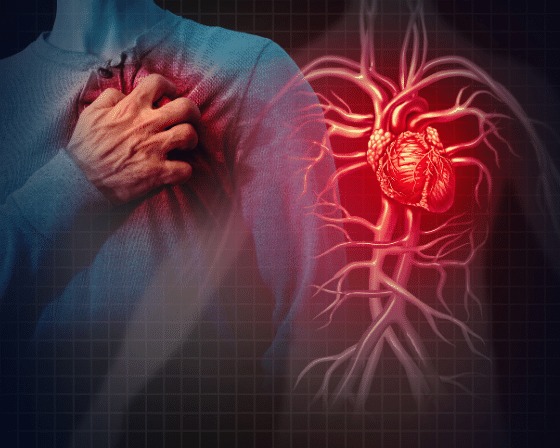
Heart diseases refer to a group of conditions that affect the heart’s structure and function, such as coronary artery disease and heart failure. They often result from blocked blood vessels, high blood pressure, or unhealthy lifestyle habits. Regular exercise, a balanced diet, and medical checkups can help prevent or manage heart disease.
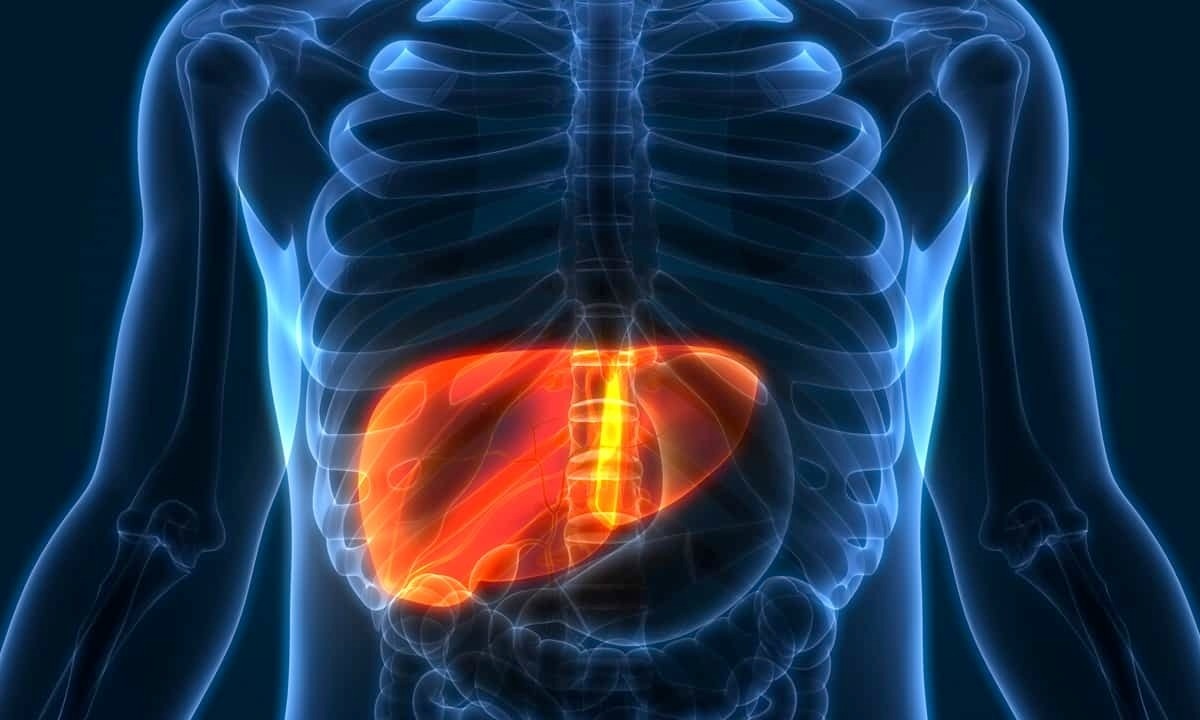
Liver diseases are conditions that affect the liver’s ability to function properly, such as hepatitis, cirrhosis, and fatty liver disease. They can be caused by infections, alcohol use, obesity, or genetic factors. Early diagnosis and a healthy lifestyle are key to preventing and managing liver diseases.
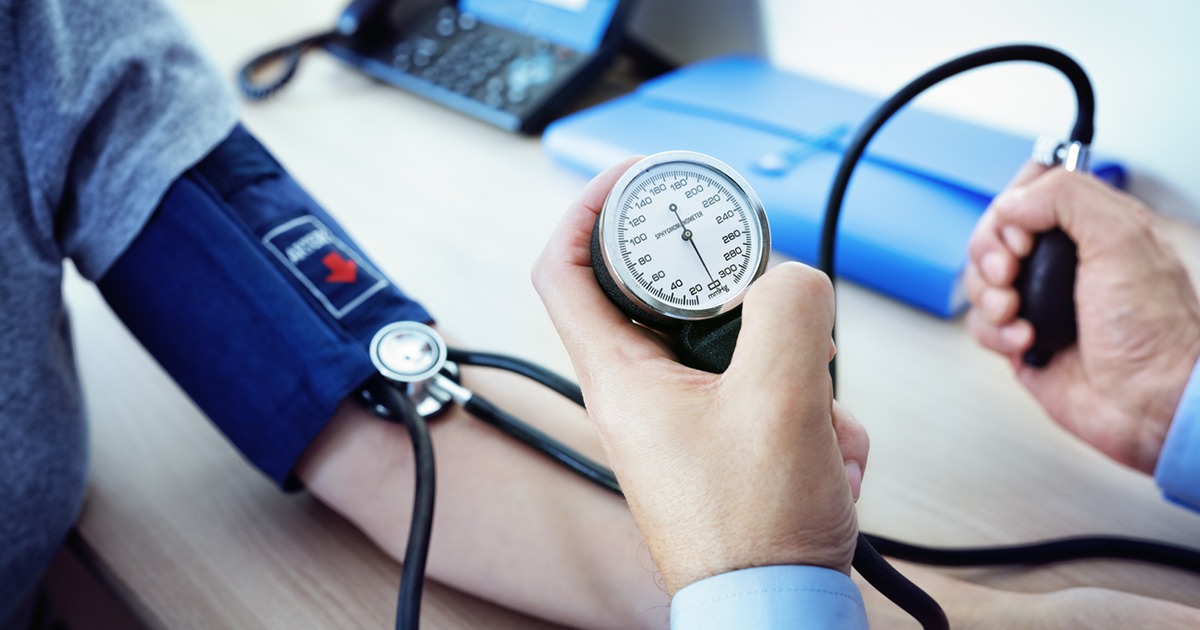
Diabetes is a long-term condition in which the body cannot properly use or produce enough insulin, causing high blood sugar levels. Blood pressure refers to the force of blood against the artery walls, and when it stays high, it can damage the heart and blood vessels.
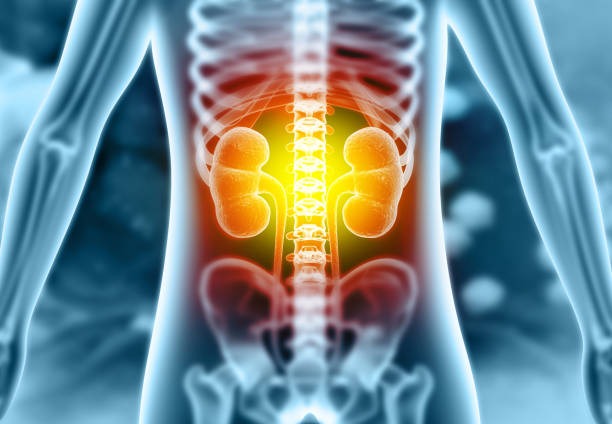
Kidney diseases occur when the kidneys lose their ability to filter waste and extra fluids from the blood properly. This can lead to a buildup of toxins in the body, causing swelling, weakness, and other serious health problems. Maintaining a healthy diet, controlling blood pressure and diabetes, and drinking enough water help protect kidney function.
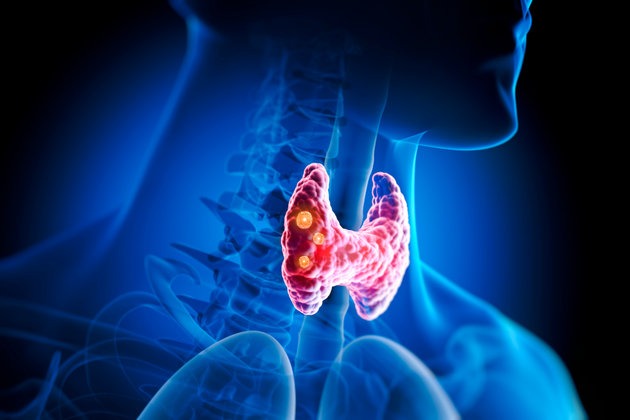
Thyroid disease happens when the thyroid gland produces either too much or too little hormone, affecting the body’s metabolism. An overactive thyroid causes weight loss, fast heartbeat, and anxiety, while an underactive thyroid leads to fatigue and weight gain. Regular checkups and proper medication help keep thyroid hormone levels balanced and the body functioning normally.
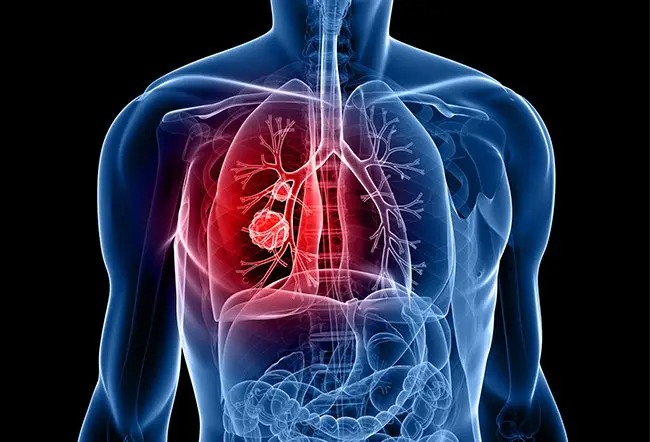
Lung diseases affect the organs that help us breathe, making it difficult for the body to get enough oxygen. Common lung problems include asthma, pneumonia, bronchitis, and chronic obstructive pulmonary disease (COPD). Avoiding smoking, staying away from pollution, and doing regular exercise can help keep the lungs healthy.
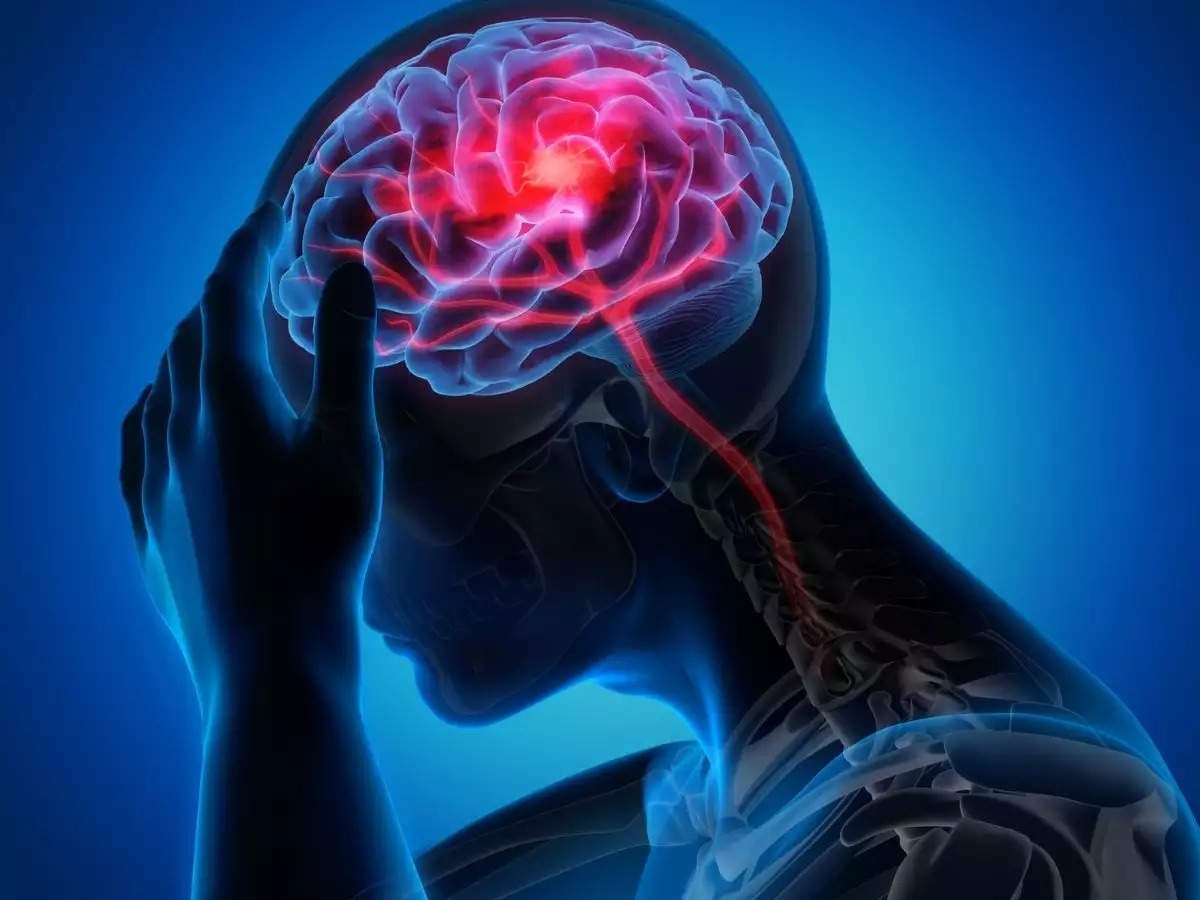
Diseases of the brain affect how the brain functions, leading to problems with movement, memory, or behavior. Common brain disorders include stroke, epilepsy, Alzheimer’s disease, and brain tumors. A healthy lifestyle, mental exercise, and proper medical care can help prevent or manage many brain-related diseases.
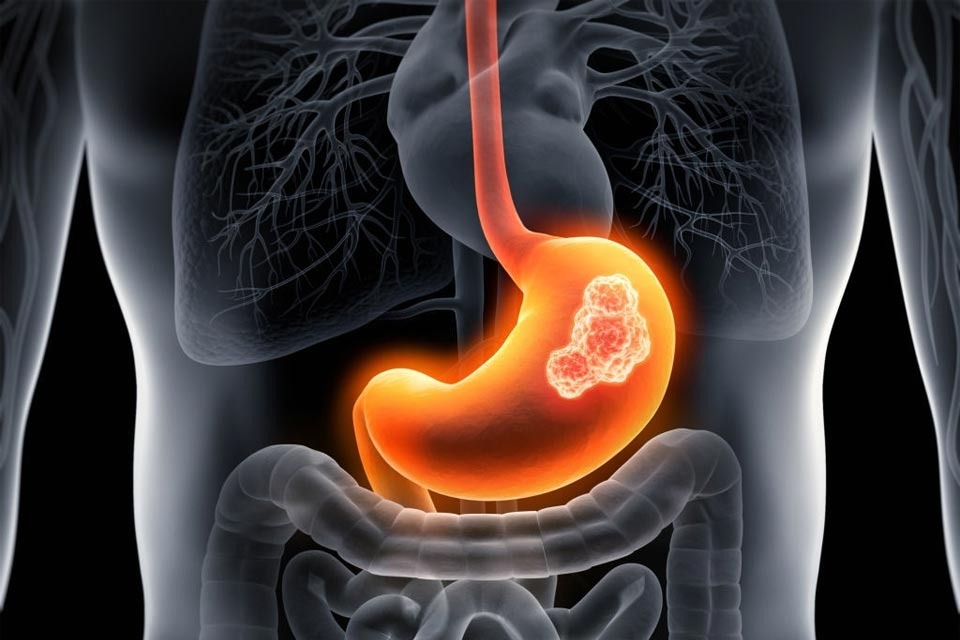
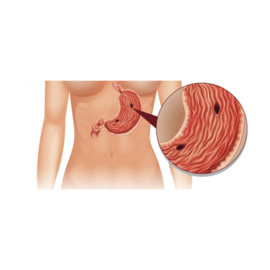
Stomach diseases affect the digestive system and can cause pain, bloating, nausea, or indigestion. Common stomach problems include gastritis, ulcers, acidity, and infections. Eating healthy food, avoiding spicy or oily meals, and maintaining good hygiene help prevent stomach diseases.
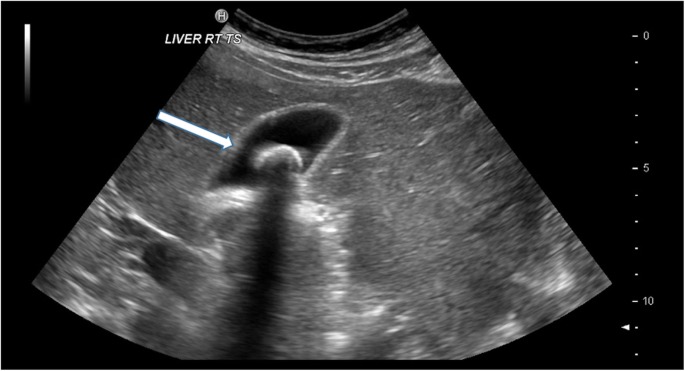
Gallstones are hardened deposits of digestive fluid that form in the gallbladder. They can vary in size and may cause pain, nausea, or digestive issues if they block bile flow. Many people have gallstones without symptoms, but some require medical treatment or surgery.
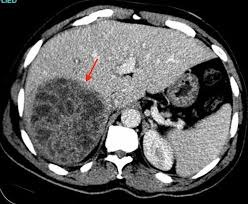
A liver abscess is a pus-filled cavity in the liver caused by bacterial, parasitic, or fungal infection. It can lead to fever, abdominal pain, and jaundice if untreated. Treatment typically involves antibiotics and sometimes drainage of the abscess.
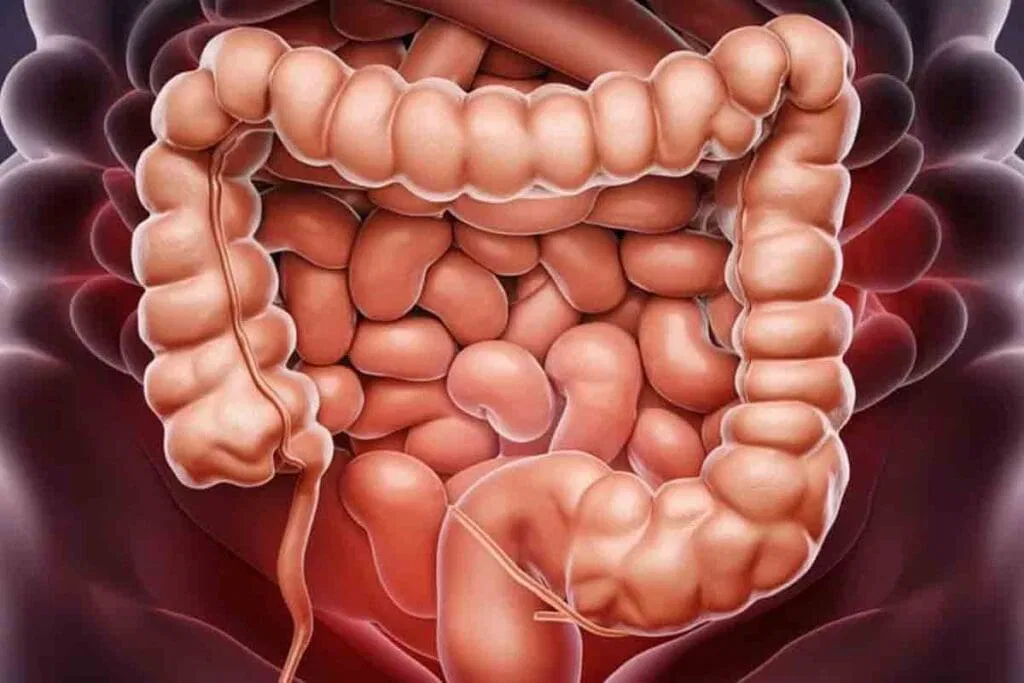
Intestinal adhesions are bands of fibrous scar tissue that form between loops of the intestines or between the intestines and other abdominal organs. They often develop after abdominal surgery, infection, or inflammation. These adhesions can cause pain or lead to bowel obstruction by restricting normal intestinal movement.
Intestinal blockage (bowel obstruction) occurs when the normal movement of contents through the intestines is partially or completely stopped. It can result from causes such as adhesions, hernias, tumors, or impacted stool. Symptoms include abdominal pain, bloating, vomiting, and inability to pass gas or stool.
A hole in the digestive tract, known as a gastrointestinal perforation, is a serious condition where the wall of the stomach, intestine, or another digestive organ is torn. It allows contents to leak into the abdominal cavity, causing infection (peritonitis). Common causes include ulcers, trauma, or inflammatory diseases like Crohn’s disease.
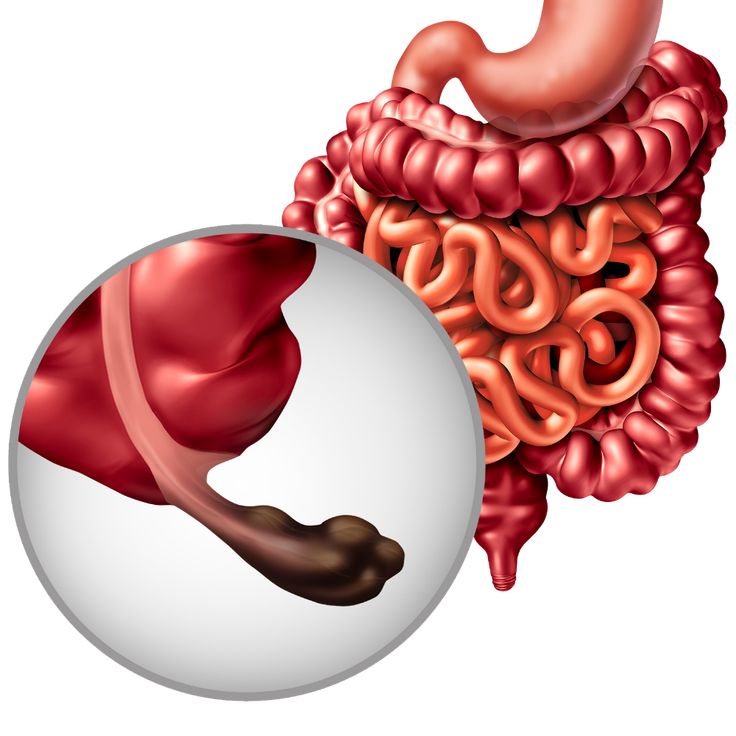
The appendix is a small, tube-shaped pouch attached to the beginning of the large intestine (cecum). It has no essential digestive function but may play a role in immune defense. Inflammation of the appendix, called appendicitis, is a common surgical emergency.
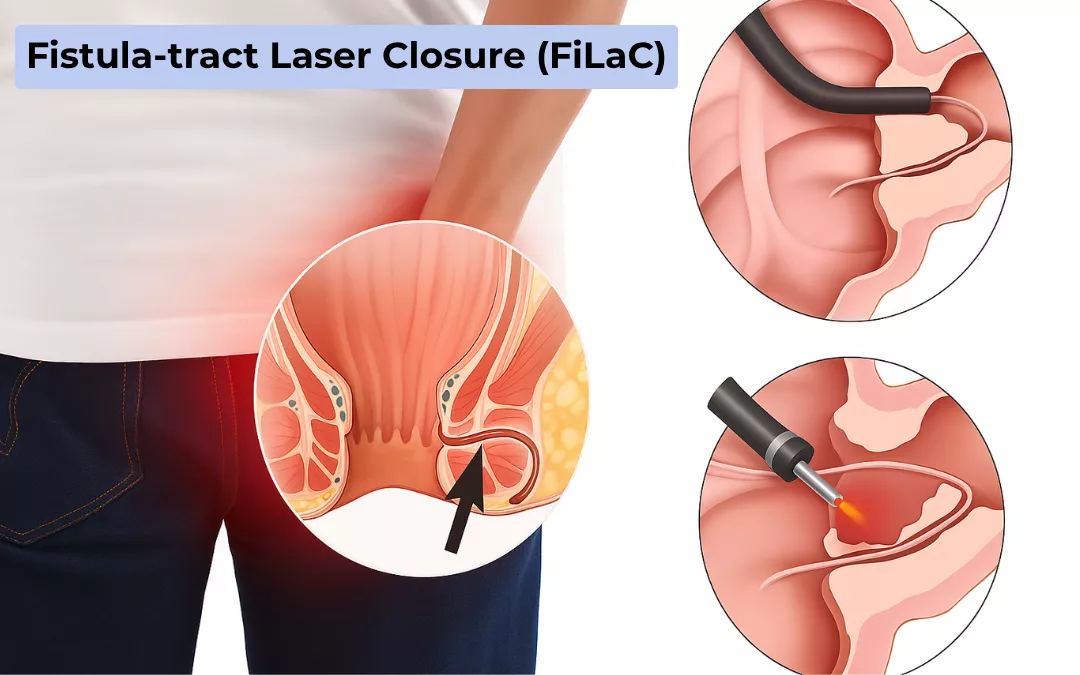
A fistula is an abnormal connection or passageway that forms between two organs, vessels, or surfaces that normally do not connect. It often develops due to infection, inflammation, injury, or surgery. Common examples include anal fistula, arteriovenous fistula, and enterocutaneous fistula.
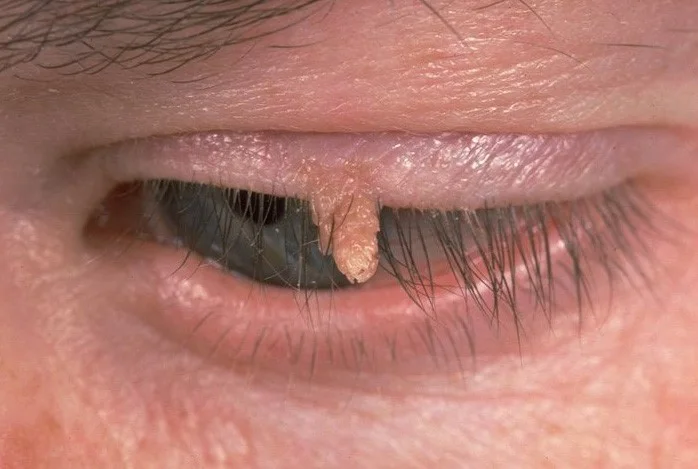
Warts are small, rough skin growths caused by infection with the human papillomavirus (HPV). They commonly appear on the hands, feet, or other areas of the skin. When viewed under a binocular microscope, their surface shows thickened skin layers with tiny blood vessels (capillary loops) visible as black dots.
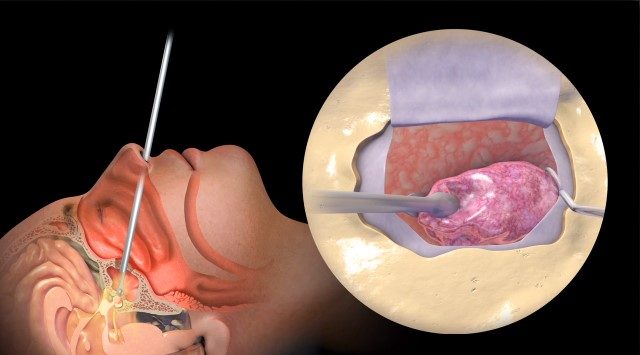
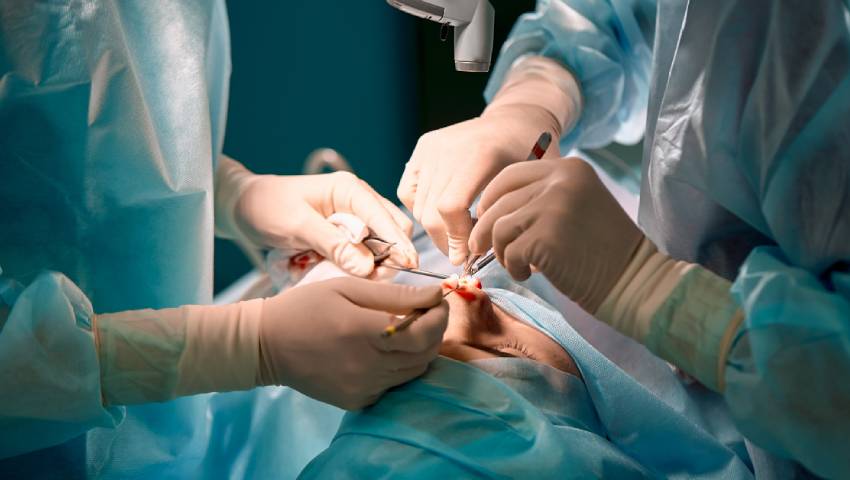
Surgery for a tumor involves the removal of abnormal tissue or growth from the body. It can be done for benign (non-cancerous) or malignant (cancerous) tumors. The goal is to eliminate the tumor completely, relieve symptoms, and prevent its spread or recurrence.
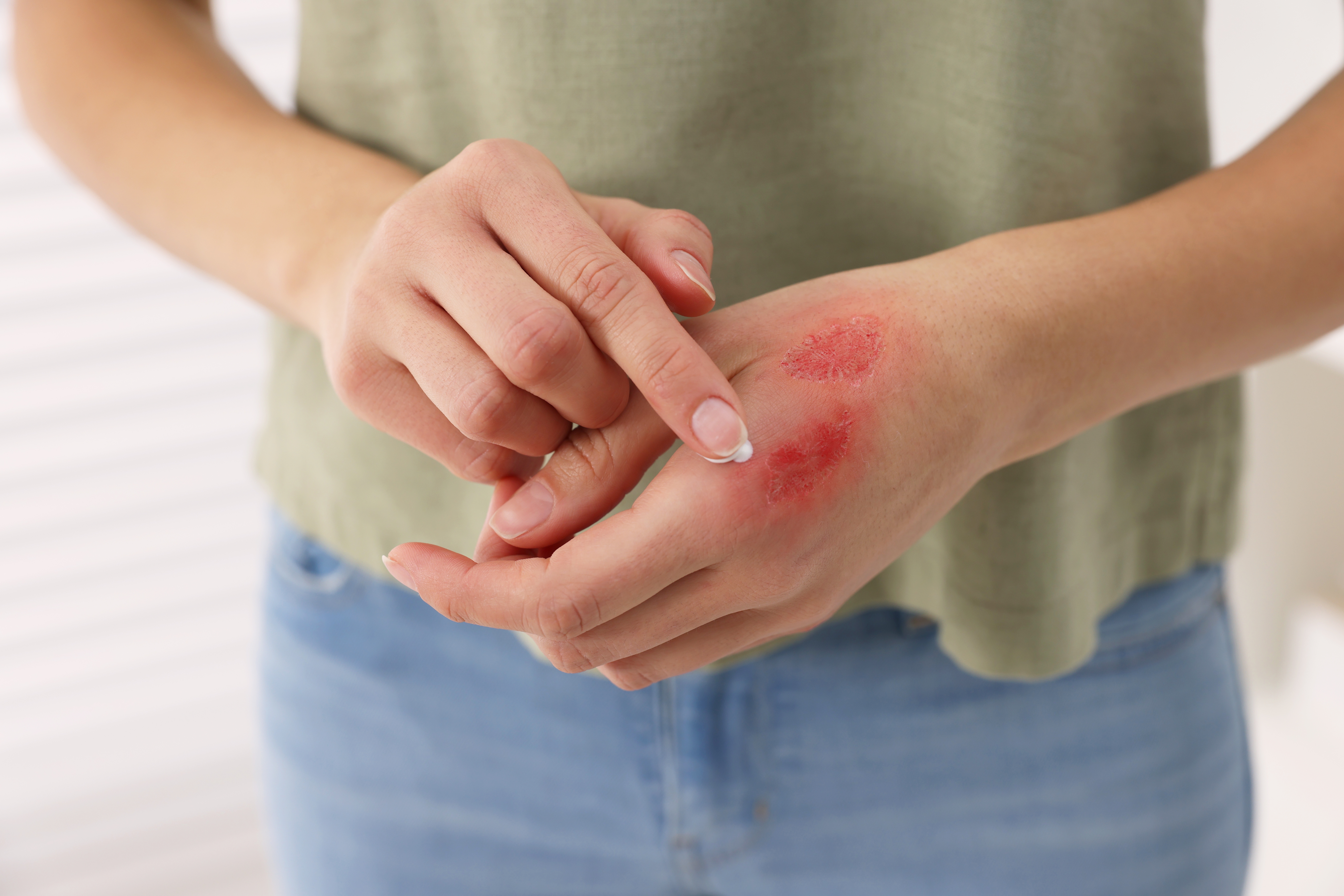
Burns are injuries to the skin and underlying tissues caused by heat, chemicals, electricity, or radiation. They are classified as first-, second-, or third-degree based on depth and severity. Treatment focuses on pain relief, preventing infection, and promoting healing of the damaged tissue.
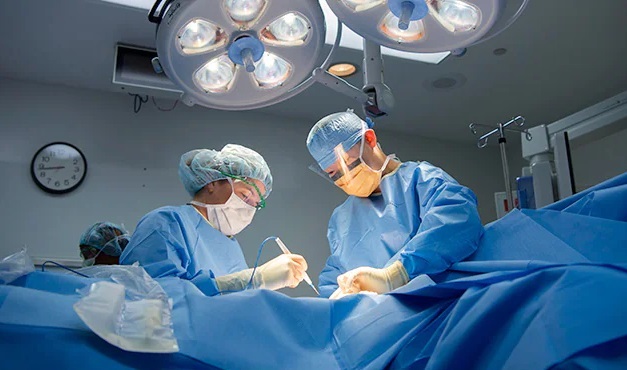
Accident and Trauma Surgery involves the emergency treatment and surgical management of injuries caused by accidents or physical trauma. It includes procedures to control bleeding, repair damaged organs or bones, and prevent infection. The main goal is to stabilize the patient, save life and limb, and restore normal function.
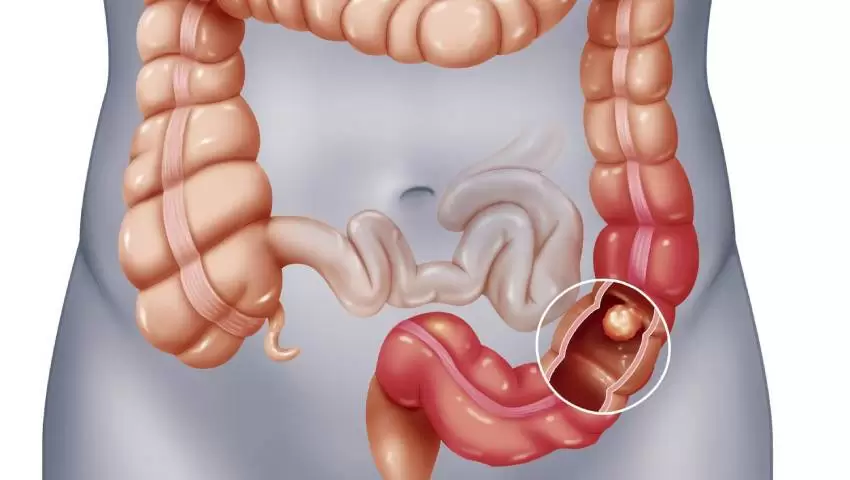
Cancer Surgery and Treatment involves the removal of cancerous tumors and surrounding tissues to prevent the spread of disease. It may be combined with therapies such as chemotherapy, radiation, or immunotherapy for better outcomes. The main goal is to eliminate cancer, relieve symptoms, and improve the patient’s quality of life.